Za'atar and Traditional Spice Blends in the Kitchen: Types, Uses, and Differences
Za'atar finds its way onto every table in one form or another — whether it's served with bread and olive oil in the morning or used to season meat and poultry dishes. But did you know that za'atar comes in several varieties, each with its own distinct flavor, texture, and best use? At Bzuriyeh Kabatilo, we offer a wide selection of za'atar types and spice blends to suit every recipe and every palate.
Types of Za'atar: What Sets Them Apart?
Za'atar varieties may seem similar at first glance, but the differences between them are real and can meaningfully affect the final flavor of a dish. Authentic Jordanian za'atar is known for its bold, expressive flavor — perfect for those who love a deep, traditional taste. Home-style za'atar offers a well-balanced blend that works beautifully for everyday use at the table. Fine-ground za'atar has a smooth texture that makes it ideal for flatbreads and pastries, while leaf za'atar is best suited for cooking over heat, as its leaves release a wonderfully distinctive aroma into the dish.
Baladi and Malaki Za'atar: For Those Who Want the Full Flavor Experience
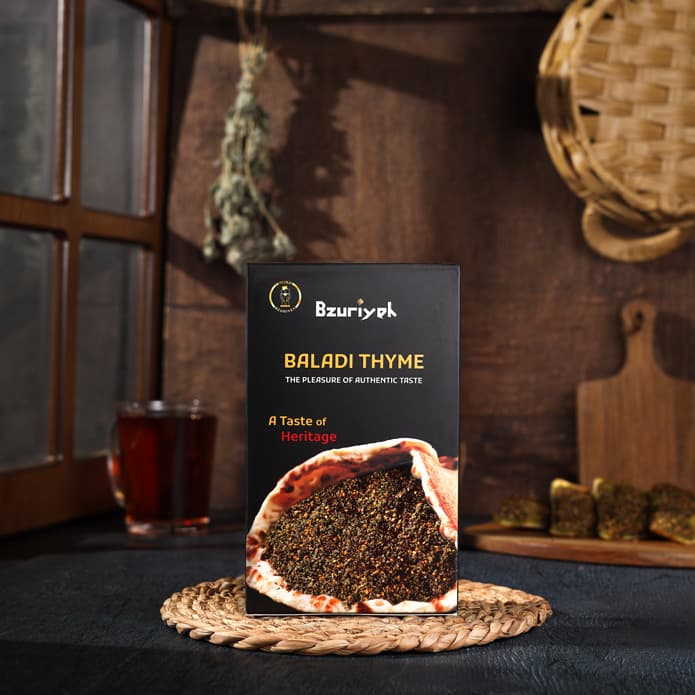
Baladi za'atar carries a beloved traditional character, perfect for dipping with olive oil and bread or adding to homemade pies. Malaki West Bank za'atar has a coarser texture and a more concentrated flavor, making it a standout choice for those who want their za'atar to make a real impression at the table. Diwani za'atar strikes a balance between aroma and medium texture, making it a versatile option across a range of kitchen uses. Baladi Mumtaz Ma'moun za'atar, meanwhile, is the go-to choice for anyone who values classic, uncompromising quality in every bite.
Za'atar Without Sesame: When Should You Choose It?
Some recipes call for za'atar without sesame — either to avoid adding weight to the dish's texture or simply due to personal taste preferences. Sesame-free za'atar delivers the pure, clean flavor of za'atar without altering the consistency of the dish, making it an excellent choice for marinating meats before grilling or stirring into tomato-based sauces. It's also used in certain bread and dough recipes where sesame seeds are added separately as a distinct element.
Traditional Spice Blends: More Than Just Seasoning
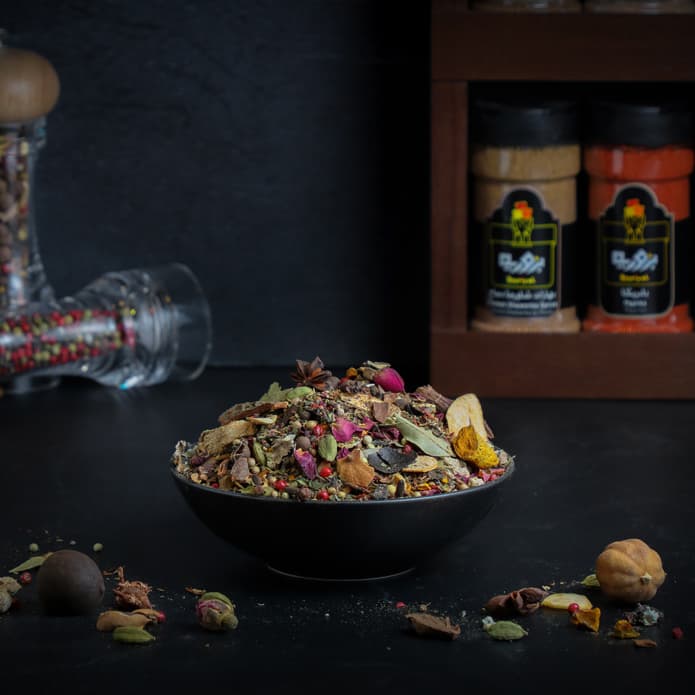
Traditional spice blends take the guesswork out of cooking — they save preparation time and guarantee perfectly balanced flavors every time. Whole kabsa spices are added intact to the rice pot, filling the kitchen with a signature aroma as they slowly release their fragrance. Chicken broth spices add depth and richness to chicken stock, transforming it into something truly special. Meat broth spices are simmered with water and vegetables to create an authentic broth that forms the foundation of dishes like mansaf and kabsa. These blends carry a careful balance of spices that's nearly impossible to replicate with rough home measurements.
Fried Chicken Blends: Bring the Restaurant Home
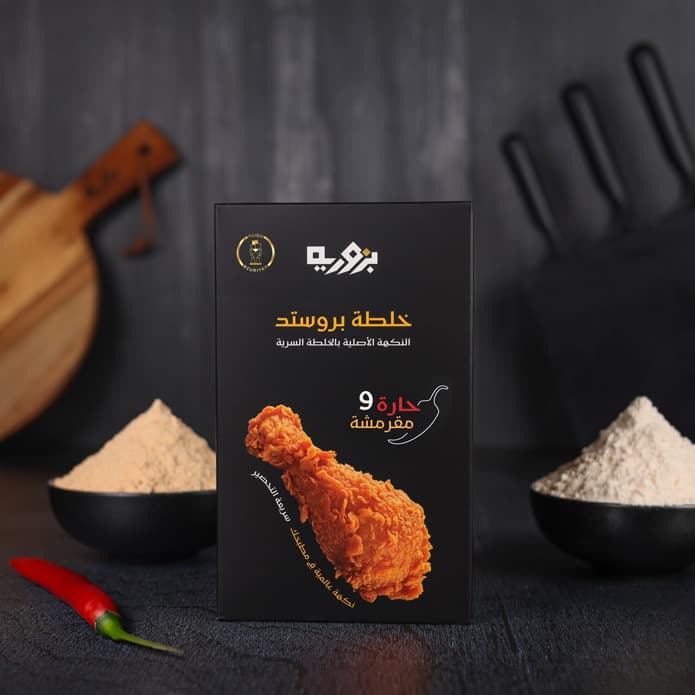
Our broasted spice blend and spicy broasted spice blend make it easy to achieve restaurant-quality fried chicken right in your own kitchen. The original blend gives chicken a crispy coating with a well-rounded flavor the whole family will love, while the spicy version delivers a satisfying kick for those who enjoy bold heat. These blends also work wonderfully with fried shrimp and fish, adding a delicious twist to your seafood dishes.
Saffron Spice Blends: A Touch of Luxury
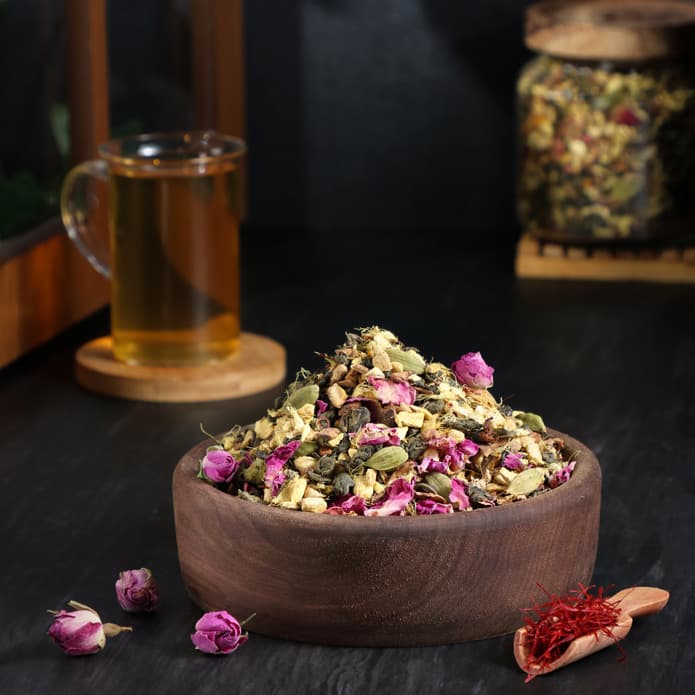
Saffron adds a golden hue and an incomparable depth of flavor to any dish — and it's the secret behind many beloved Gulf recipes. Fine Gulf spices with saffron are ideal for cooked rice, sauces, and soups, while coarse Gulf spices with saffron are better suited to slow-cooked dishes like kabsa and mandi that benefit from longer cooking times. Saffron spice blend works beautifully when stirred into melted butter and drizzled over rice just before serving, adding both stunning color and a rich, fragrant aroma. Ginger and saffron blend combines the warmth of ginger with the floral notes of saffron, creating a distinctive mix that elevates hearty, warming dishes.
How to Store Za'atar and Spice Blends for the Best Flavor
Keeping your spices aromatic and fresh starts with proper storage at home. Store za'atar and spice blends in airtight containers, away from direct heat and moisture — and avoid placing them right next to the stove. Never pour spices directly from the container over a steaming pot, as the rising steam can degrade their quality over time. Instead, use a dry spoon to measure them out. Leaf za'atar is best kept in the refrigerator when stored in larger quantities, which helps preserve its color and fragrance for longer.
Za'atar Recipe Ideas Worth Trying
Classic za'atar flatbreads start with mixing fine-ground za'atar with olive oil until it forms a smooth, spreadable paste, then layering it generously over the dough. For a deeply flavorful grilled chicken, marinate pieces in authentic Jordanian za'atar with lemon and garlic overnight before cooking — the difference is remarkable. Adding leaf za'atar to lentil soup or broth gives it a wonderfully distinct character and a warm, earthy aroma. You can also whip up a simple dipping sauce using home-style za'atar, lemon juice, and olive oil — it pairs perfectly with fresh bread or a tomato salad.
Frequently Asked Questions
What is the difference between leaf za'atar and fine-ground za'atar?
Leaf za'atar retains its leaves whole or nearly whole, making it ideal for cooking over heat and adding to soups and cooked dishes. Fine-ground za'atar, on the other hand, is finely milled and works best in pastries, flatbreads, and blends that require a smooth, uniform texture.
Can za'atar be used to marinate meat and chicken?
Absolutely — za'atar is one of the best spices for marinating chicken and meat before grilling or roasting. Mix it with olive oil, garlic, and lemon juice, then let the meat soak in the marinade for several hours before cooking to develop a richer, deeper flavor.
What is the difference between whole kabsa spices and Gulf spice blends?
Whole kabsa spices are added to the pot intact and removed before serving, imparting a distinctive fragrance to the rice and broth. Gulf spice blends — whether fine or coarse — are mixed directly into the dish and remain in it, giving it an authentic Gulf color and flavor, especially when they contain saffron.
How do I use the broasted spice blend at home?
Mix the broasted blend with flour — or use it on its own — to coat chicken pieces before frying. For best results, soak the chicken in buttermilk or plain yogurt for several hours before coating, which helps the crust adhere and turn out perfectly crispy when fried.
How long do za'atar and spice blends last when stored properly?
When kept in airtight containers away from heat, moisture, and direct light, za'atar and spice blends can retain their aroma and flavor for anywhere between six months and a full year. Leaf za'atar is best used sooner rather than later to enjoy it at its freshest and most flavorful.
Za'atar and traditional spice blends are far more than simple seasonings — they are an essential part of culinary identity and the flavor memory of every home. Choose the variety that suits your recipe and your cooking style, and you'll find that the difference in flavor always starts with choosing the right spices.