Everyday Uses of Spices and Seasonings in Cooking — Practical Ideas for Every Meal
Spices and seasonings are the soul of the kitchen — without them, dishes lose their character and depth. At Bzuriyeh Kabatilo, we believe that every meal has its perfect seasoning, capable of elevating flavors and turning an ordinary dish into something truly memorable. In this article, we take you on a practical journey through the meals of the day, showing you the best ways to put spices to work in your kitchen.
Breakfast — Start Your Day with Warmth and Flavor
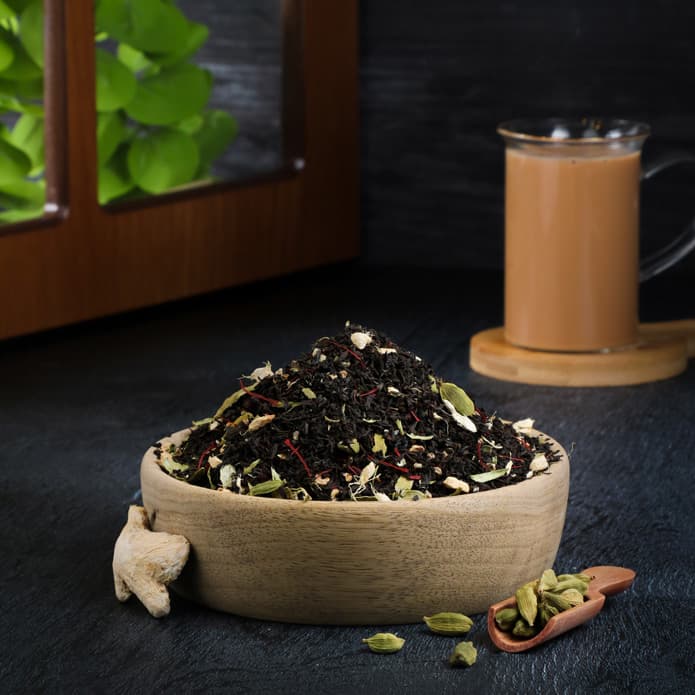
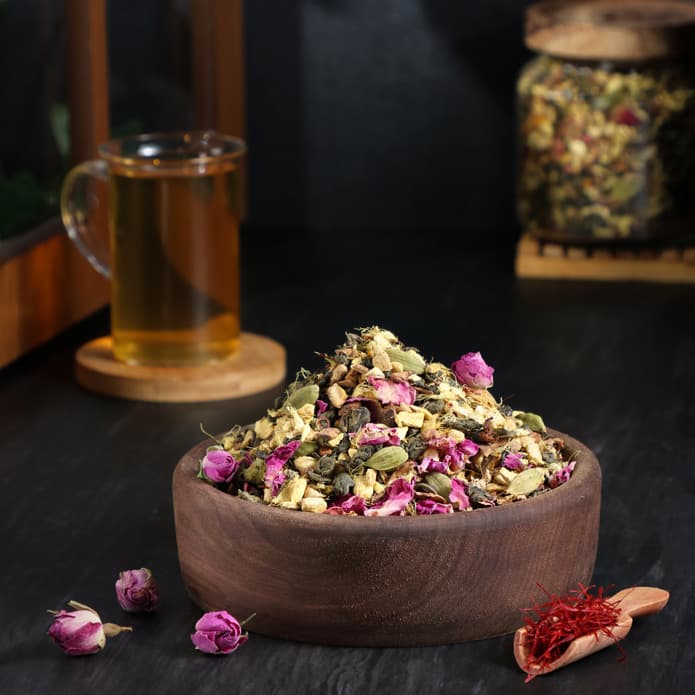
Breakfast doesn't have to mean simple, uninspired dishes. A sprinkle of Ceylon cinnamon over oatmeal or yogurt adds a warm, distinctive depth to the flavor. A morning cup of karak tea with ginger makes the moment feel cozier and more grounding — and you can also try karak tea with ginger and saffron for a beautiful golden hue and an irresistible aroma in your morning cup.
Lunch — Essential Spices for Meat and Poultry Dishes
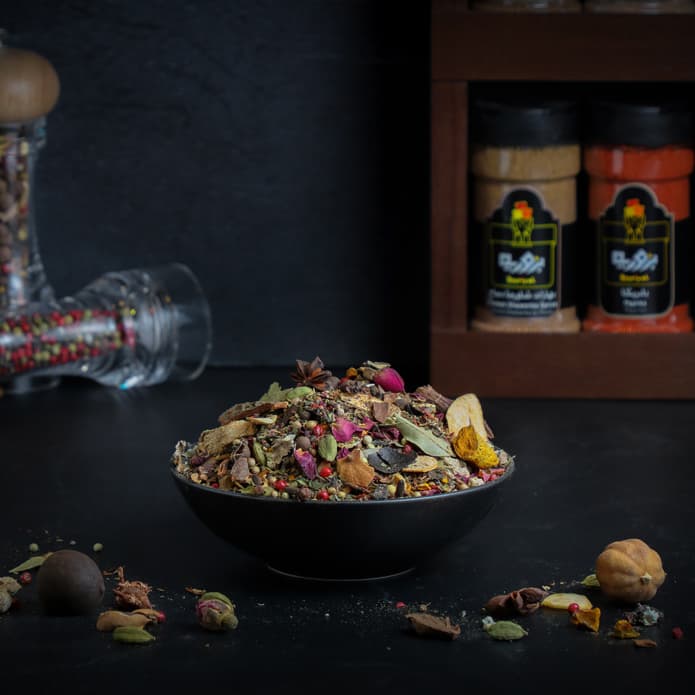
Lunch is the meal that deserves the most attention when it comes to choosing the right seasonings. For an unforgettable kabsa, whole kabsa spices are the perfect choice, combining whole seeds with rich, layered flavor. When boiling chicken, chicken broth spices bring a balanced and aromatic depth to the broth, while lamb broth spices enrich meat-based broths and give them a fuller, more satisfying character.
Rice and Qidra Dishes — Authentic Traditional Flavors
Rice is one of the dishes where spices make the most noticeable difference. Qidra spices are crafted specifically to give the classic qidra dish its distinctive, authentic taste. If you love Gulf-style cooking, coarse Gulf spices with saffron or fine Gulf spices with saffron add a gorgeous golden color and a captivating fragrance to any rice dish.
Saffron — A Touch of Elegance in Your Kitchen
Saffron is one of the hallmarks of refined cooking, and mastering its use starts with selecting the right quantity. You can begin with Bzuriyeh's premium saffron box, available in multiple sizes to suit your needs — whether for everyday use or special occasions. To draw out the fullest flavor, a saffron mortar helps you grind the threads finely before adding them to the dish. For a more concentrated taste, try a ginger and saffron blend across a variety of recipes.
Kibbeh and Stuffed Dishes — Spices That Can't Be Compromised
Kibbeh is one of the most iconic dishes in Levantine cuisine, and its secret lies in the precision of the spice blend. Kibbeh spices give it that classic, balanced flavor — warm and fragrant in equal measure. When preparing the stuffing, you can add fine garlic or fine onion directly without any chopping, saving time while ensuring even flavor distribution throughout.
Fried Chicken and Broasted — The Secret Blends
To achieve restaurant-style crispy chicken at home, you need the right blend. Broasted mix gives chicken a satisfyingly crunchy coating with a familiar, crowd-pleasing flavor, while hot broasted mix is the go-to choice for those who prefer a spicy kick. Both blends can also be used on grilled vegetables or fish for exciting new taste experiences.
Indian and Tandoori Dishes — A World of Bold, Deep Flavors
Indian cuisine opens up a vast world of bold and complex flavors. Tandoori spices give chicken or meat a distinctive orange hue and a depth of flavor that evokes the atmosphere of authentic tandoor restaurants. Use these spices as a marinade before grilling or oven-baking for outstanding results.
Finishing Touches — The Spices That Complete the Dish
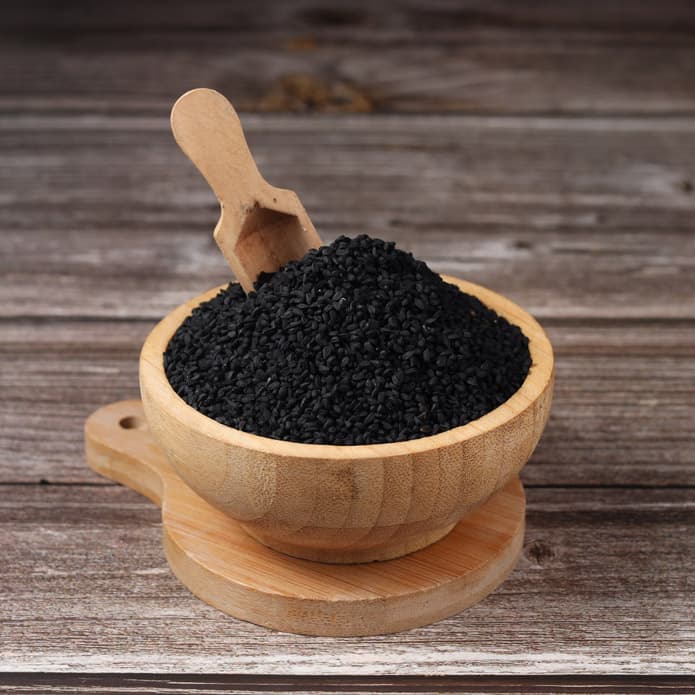
Some spices are best added at the end, providing a final touch that truly makes the difference. Whole sumac can be sprinkled over salads or rice pilaf, adding a subtle tanginess and a visually striking finish. Black seed (nigella) adds character when scattered over bread or pastries before baking, and works equally well sprinkled over cheese or yogurt dishes. Dried lemon slices are perfect for marinating meats or garnishing grilled platters, lending a fresh brightness that nothing else quite replicates.
Sweets and Baked Goods — Where Spices Work Their Magic
Spices aren't limited to savory cooking — they work wonders in baked goods too. Fine ka'ak spices are ideal for preparing ka'ak and ma'amoul, filling your kitchen with a beautiful aroma as they bake. Organic sweet pepper jam pairs wonderfully with cheese or served alongside appetizers, balancing sweetness with a gentle heat — a creative addition that elevates both breakfast spreads and hospitality platters alike.
Tips for Storing Spices and Getting the Most Out of Them
Storing spices correctly ensures they retain their aroma and flavor for as long as possible. Always keep them in airtight containers, away from direct heat, moisture, and light. Whole spices like whole sumac and whole kabsa spices stay fresh longer than their ground counterparts, so it's best to grind them fresh as needed. Avoid dipping a wet spoon into the container, and always seal it tightly after each use.
Frequently Asked Questions
How do I choose the right spices for each dish?
Start by identifying the type of dish: meat, poultry, rice, or dessert. Then look for blends crafted specifically for that dish — such as chicken broth spices or qidra spices — which take the guesswork out of seasoning and ensure a balanced result. Over time, you'll develop a deeper understanding of your own palate and begin adding your personal touch.
Can I use ready-made spice blends in simple everyday recipes?
Absolutely. Ready-made blends like fine garlic, fine onion, and broasted mix dramatically cut down on prep time while delivering the same results you'd get from fresh ingredients. They're the ideal choice on busy days when you want a delicious meal without spending too much time in the kitchen.
What's the difference between using whole and ground spices?
Whole spices — such as whole kabsa spices or coarse Gulf spices with saffron — are best suited for dishes that require longer cooking times, like broths and slow-cooked stews, as the heat gradually draws out their flavor. Ground spices, on the other hand, are ideal for quick marinades or adding near the end of cooking when you want an immediate and pronounced flavor impact.
How do I use saffron properly in cooking?
The best approach is to soak the saffron threads in warm water or warm milk for 10 to 15 minutes before adding them to your dish — this fully releases their color and aroma. You can also use a saffron mortar to grind the threads thoroughly before soaking, which gives you an even more concentrated depth of flavor.
Can savory spices be used in desserts?
Yes — some spices are wonderfully versatile. Ceylon cinnamon, for example, is just as at home in savory dishes like kabsa as it is in sweets and baked goods. Fine ka'ak spices, on the other hand, are designed specifically for sweet baked goods, bringing a carefully balanced blend that's perfectly suited to that style of cooking.
Spices and seasonings are far more than optional extras — they're the element that transforms an ordinary meal into a genuine culinary experience. Make your spice rack a daily companion in the kitchen, and experiment with different combinations at every meal to discover just how much each blend can bring to your cooking.