Essential Spices Every Kitchen Pantry Needs — A Beginner's Guide
If you're just beginning your cooking journey, the first step toward truly delicious meals is building a well-thought-out spice collection. At Bzuriyeh Kabatilo, we believe the right spices can turn the simplest ingredients into an unforgettable dish. This guide is designed specifically for beginners who want to know exactly where to start.
Why Does Your Spice Pantry Matter?
Spices are what separate an ordinary dish from one that has everyone reaching for seconds. You don't need dozens of varieties right away — a carefully chosen core collection is all it takes. Once you get comfortable with each spice on its own, you'll naturally start blending and experimenting without even thinking about it.
Ground Spices Every Cook Starts With
Ground cumin, turmeric, ground coriander, and black pepper are the four cornerstones of any kitchen. These spices work beautifully in soups, grilled dishes, rice, and cooked vegetables alike. Store them in airtight containers away from direct light to keep their flavor fresh and potent.
Spice Blends for Special Dishes and Occasions
As your skills grow, you'll find that ready-made blends save you time while delivering perfectly balanced flavors. Kabsa spice with whole seeds adds a rich, aromatic depth to rice dishes, while chicken broth spices and meat broth spices elevate your broths and make them far more satisfying. These blends are crafted in precise proportions, so you don't have to worry about mixing from scratch.
Spices Where Aroma Steals the Show
Saffron is one of the most distinctive spices around, prized for its captivating fragrance and the warm golden color it lends to dishes. Royal Iranian saffron is used in very small amounts — just a few threads are enough to transform a pot of rice, a soup, or a warm drink. If you need a larger supply for gatherings or special occasions, a premium saffron box is a practical choice that keeps well when stored in a cool, dark place.
Za'atar — The Jordanian Spice in Every Pantry
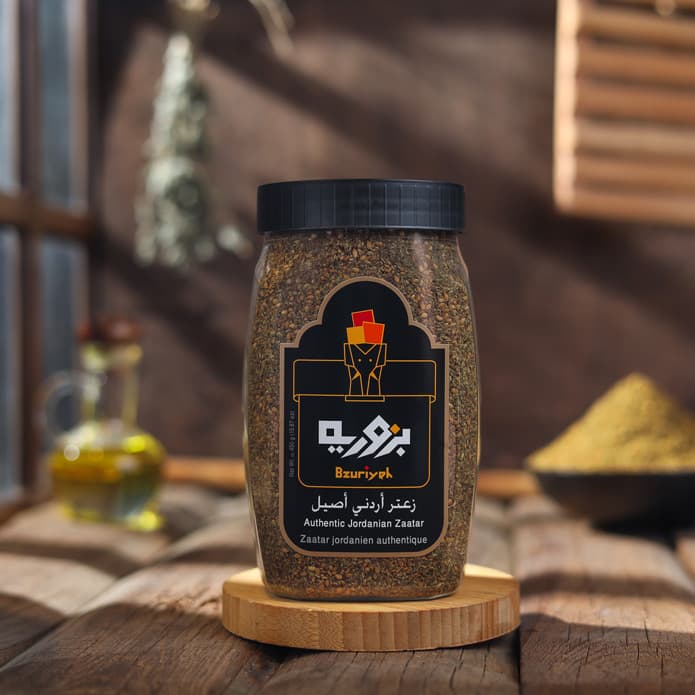
Authentic Jordanian za'atar carries a depth of flavor that sets it apart from other varieties, and it's one of the most versatile spices you'll find — equally at home at the breakfast table or dinner spread. Mix it with olive oil and serve it alongside bread, sprinkle it over cheese or salad, or use it as a marinade for chicken before grilling. Keep it in a sealed glass jar to preserve its distinctive aroma.
Bay Leaves and Whole Spices — When Should You Use Them?
Bay leaves are added during cooking and not eaten directly — they bring a quiet richness to soups, broths, and slow-cooked sauces. Whole spices like peppercorns, cinnamon sticks, and cardamom pods deliver their best results when added at the start of cooking, releasing their fragrance gradually as the dish simmers. Remember to remove them before serving so their flavor doesn't overpower the finished dish.
Practical Tips for Storing Your Spices
The biggest enemies of spices are moisture and direct light, so always store them somewhere cool and dry. Use tightly sealed glass or plastic containers, and avoid keeping them right above the stove where heat and steam can degrade their quality. Check expiry dates regularly, and buy quantities that match how often you actually cook — fresher spices always mean better flavor.
Simple Ways to Explore Your New Spices
The easiest way to learn your spices is to try them one at a time. Add only cumin to a lentil soup one day, then try ground coriander the next and notice the difference. Kabsa spice with whole seeds gives you a vivid tasting experience when stirred into plain rice with a small knob of butter. Over time, you'll start to understand how these flavors complement and build on one another.
Frequently Asked Questions
What are the first five spices I should buy as a beginner?
Start with ground black pepper, ground cumin, turmeric, and ground coriander — then add one ready-made blend like chicken broth spices to cover most of your everyday recipes.
How do I know when a spice has lost its flavor?
Rub a small amount between your fingers and give it a sniff. If the scent is faint or barely noticeable, it's time for a replacement. Whole spices tend to last longer than ground ones, so it's worth buying ground spices in smaller quantities to keep things fresh.
Can I use kabsa spice with whole seeds in dishes other than kabsa?
Absolutely — this blend works wonderfully in soups, ful medames, broths, and even vegetable stews. Start with a small amount to see how well it suits whatever you're making before adding more.
What's the difference between using bay leaves in hot versus cold dishes?
Bay leaves are best suited to hot dishes that have enough cooking time to release their aroma — think broths, sauces, and slow-cooked grains. In cold or quick-cooked dishes, their flavor doesn't have the chance to come through.
How much saffron do I need for a single meal?
Very little goes a long way — typically 10 to 15 threads is enough for a rice dish serving four people. For the best results, soak the threads in a teaspoon of warm water for about ten minutes before adding them to your dish. This ensures the color and flavor are distributed evenly throughout.
Building a balanced spice pantry doesn't mean buying everything at once. It starts with thoughtful, gradual steps that fit your own cooking style. Begin with the essentials, add to them over time, and you'll find your kitchen becoming a creative space you genuinely enjoy — one meal at a time.