Rice, Bulgur, Freekeh, and Lentils: Your Complete Guide to Cooking Each One Right
Grains and legumes can look deceptively similar, but each one has its own distinct personality — in flavor, cooking method, and best uses. At Bzuriyeh Kabatilo, we believe that understanding these differences is the foundation of great cooking. This article takes you on a detailed journey through rice, bulgur, freekeh, and lentils, so you can work with each one confidently.
Rice: The Constant at Every Table
Rice is one of the most versatile grains in the kitchen, adapting effortlessly to countless dishes — from mansaf to stuffed vegetables. It typically calls for a water ratio of two to two and a half times its volume, though this can vary depending on the dish. One practical option worth having on hand is Bzuriyeh ground rice, which works beautifully in soups and broths that need a distinctive, slightly thickened texture. Pro tip: soak your rice for thirty minutes before cooking to ensure each grain cooks evenly.
Bulgur: The Grain for Every Season
Bulgur is wheat that has been parboiled, dried, and cracked, and it comes in different sizes to suit a wide range of dishes. Fine bulgur — like Bzuriyeh fine white bulgur — is used in tabbouleh and raw kibbeh and requires nothing more than soaking in hot water, no cooking needed. Bzuriyeh coarse white bulgur, on the other hand, is ideal for cooking whole-grain dishes and mujaddara, requiring a longer cook time with occasional gentle stirring. For those who enjoy a different flavor profile, Bzuriyeh red bulgur and Bzuriyeh fine red bulgur give kibbeh a distinctive texture and taste that sets it apart from its white bulgur counterpart.
Freekeh: Where Wheat Meets Smoke
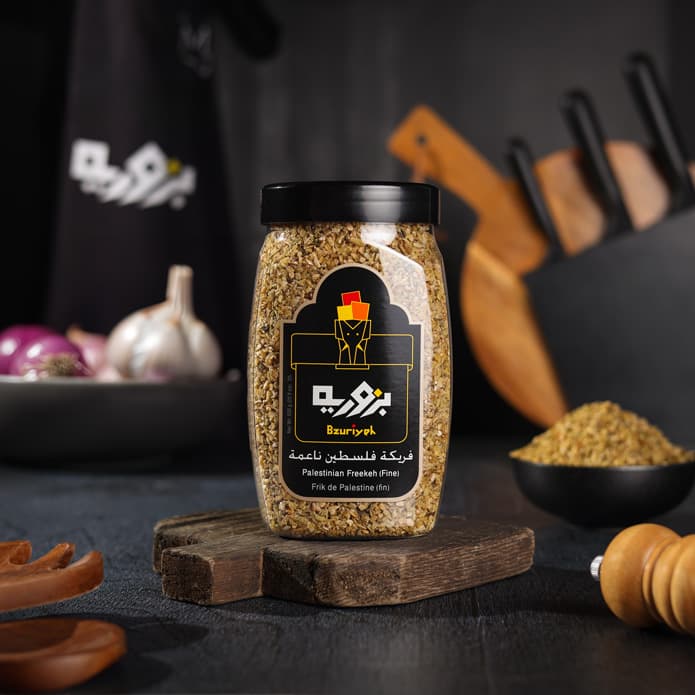
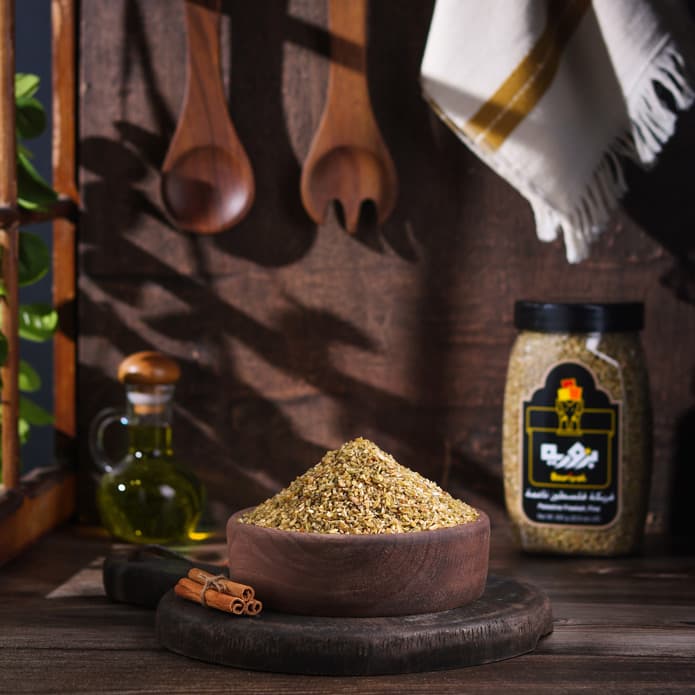
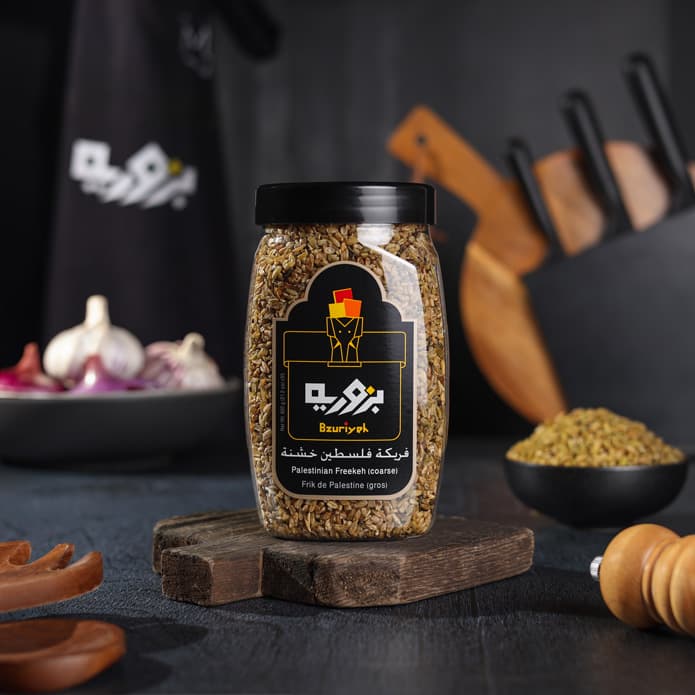
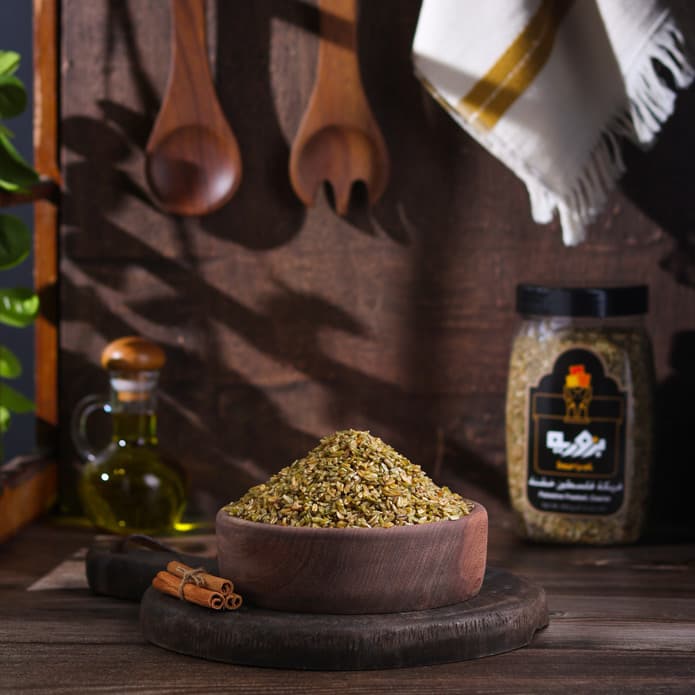
Freekeh is green wheat harvested before it fully ripens, then fire-roasted in a way that gives it an unforgettable smoky flavor. It comes in two main varieties — fine and coarse — each with its preferred uses. Bzuriyeh fine freekeh and Bzuriyeh Ma'moun fine freekeh are best suited for smooth, blended soups that call for a creamy consistency, while Bzuriyeh coarse freekeh and Bzuriyeh Ma'moun coarse freekeh are used to prepare freekeh with chicken as a hearty main course. For those looking to explore different flavor profiles, Bzuriyeh Palestine fine freekeh, Bzuriyeh Palestine coarse freekeh, Bzuriyeh Turkish fine freekeh, and Bzuriyeh Turkish coarse freekeh are all available to try.
How to Cook Freekeh the Right Way
Before cooking freekeh, soak it in cold water for twenty minutes, then rinse it well to remove any impurities. Cook it in chicken or meat broth over medium heat, stirring at the start, then leave it to simmer on low heat for about forty minutes. The real secret to great-tasting freekeh is adding Bzuriyeh freekeh spice blend, which beautifully complements its smoky character and adds depth to the dish. Avoid lifting the lid too often during cooking — the trapped steam is essential for even, consistent cooking.
Lentils: Far More Than Just Soup
Lentils are among the most versatile legumes in the kitchen, and their variety in size makes them well-suited to very different dishes. Bzuriyeh split red lentils and Bzuriyeh crushed lentils break down quickly during cooking, making them perfect for creamy lentil soup and liquid-style mujaddara. Bzuriyeh small whole lentils are ideal for traditional mujaddara and hold their shape well after cooking, as long as they aren't boiled for too long. Bzuriyeh large whole lentils and Bzuriyeh foutbal lentils are best for cold salads and dishes where you need whole, firm lentils that keep their texture.
Water Ratios and Cooking Times: A Quick Reference
Every grain has its own ideal water ratio and cooking time — and paying attention to these details makes all the difference. Coarse freekeh needs a one-to-two-and-a-half water ratio and takes about forty minutes to cook, while fine freekeh is done in less time. Coarse bulgur cooks with a one-to-two ratio in about fifteen minutes, and fine bulgur needs nothing more than soaking in hot water. Split lentils are ready in just ten minutes, while large whole lentils take between twenty and twenty-five minutes. Getting these details right is the difference between a dish that truly shines and one that's been overcooked.
How to Store Grains at Home
Proper storage is key to preserving the flavor and quality of your grains and legumes for as long as possible. Keep them in airtight containers away from moisture and direct heat — clear glass jars are a great choice, as they let you easily see how much you have left. Freekeh in particular needs a completely dry container, since any moisture will dull its signature smoky flavor. Lentils keep well for a long time when stored correctly, though very old lentils may need a longer cooking time than usual.
Frequently Asked Questions
What is the difference between fine and coarse freekeh, and which should I use for soup?
Fine freekeh — like Bzuriyeh Ma'moun fine freekeh — partially breaks down during cooking, giving your soup a creamy, velvety consistency, which makes it the ideal choice for soups. Coarse freekeh — like Bzuriyeh Ma'moun coarse freekeh — holds its shape and is better suited for freekeh with chicken served as a main dish.
Do lentils need to be soaked before cooking?
Bzuriyeh split red lentils require no pre-soaking and can go straight into the pot. However, Bzuriyeh large whole lentils and Bzuriyeh foutbal lentils benefit from soaking for about an hour before cooking — it reduces cooking time and helps achieve a tender, evenly cooked result.
What is the difference between red and white bulgur in cooking?
Red bulgur — like Bzuriyeh red bulgur — is made from whole wheat and has a deeper, more robust flavor with a firmer texture, making it the go-to choice for kibbeh. White bulgur — like Bzuriyeh coarse white bulgur — is lighter in flavor and works well in tabbouleh, whole-grain dishes, and everyday bulgur recipes.
How do I keep freekeh from burning while it cooks?
Once the broth and freekeh come to a boil, reduce the heat to its lowest setting and place a tight-fitting lid on the pot. Resist the urge to keep lifting the lid, and if you notice the liquid drying out, add a small amount of hot water without stirring too vigorously — this keeps the grains intact and prevents them from breaking apart.
Can bulgur be used instead of rice in stuffed vegetable recipes?
Yes — Bzuriyeh fine white bulgur can be used in place of rice in certain stuffed vegetable dishes, such as stuffed zucchini and grape leaves. It's best to soak it beforehand and mix it with your spices the same way you would with rice, keeping in mind that it may have a slightly different cooking time.
Understanding the differences between grains and legumes opens up a whole new world of possibilities in the kitchen, and gives every dish a distinct edge in flavor and texture. Try rotating between these varieties in your everyday cooking and see firsthand how choosing the right one can make half the dish.